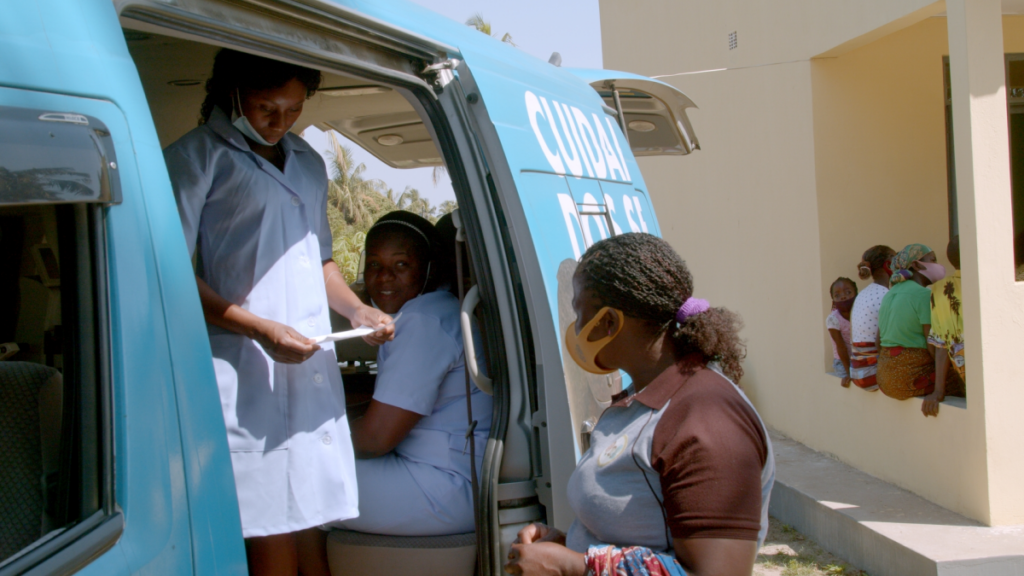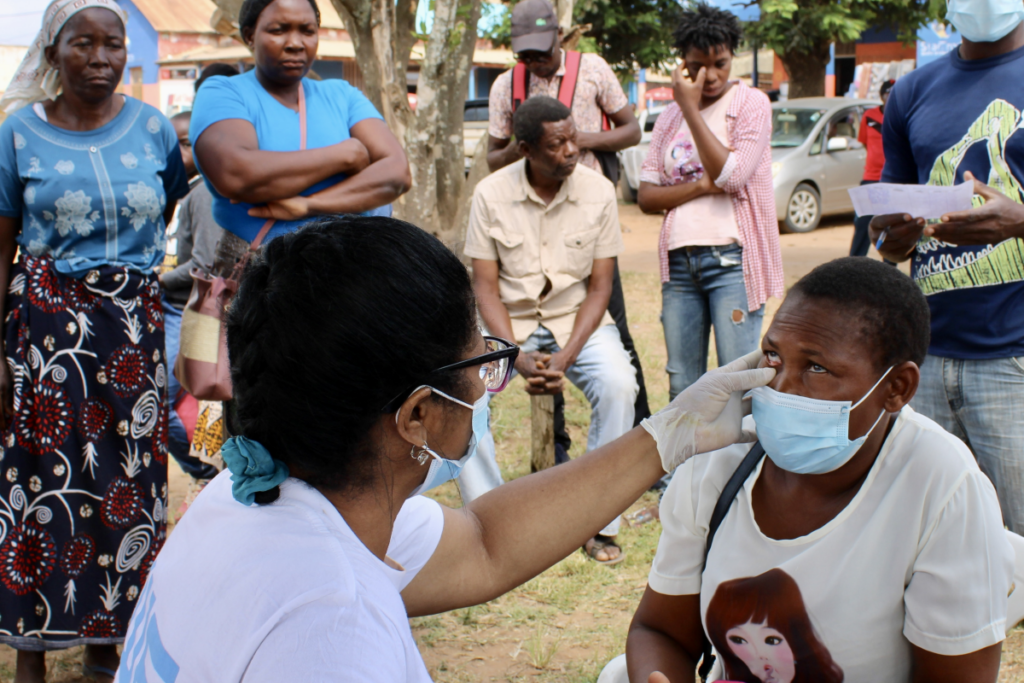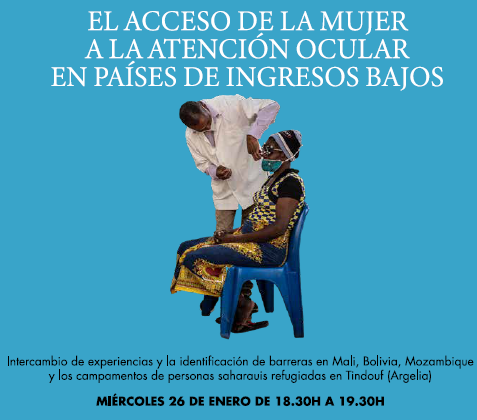
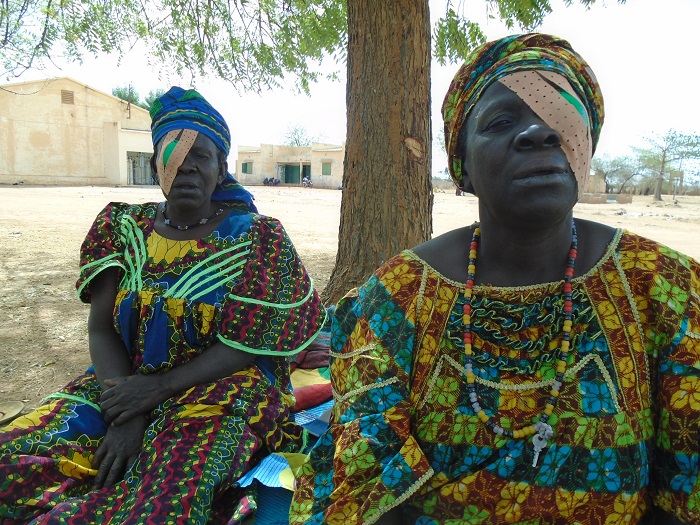
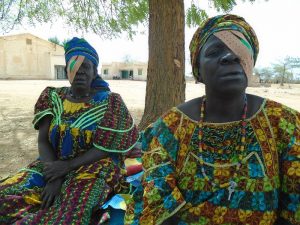
 According to IAPB (the International Agency for the Prevention of Blindness), 55% of blind people worldwide are women. In most cases, those women could regain sight with simple surgical operations, but 89% of people with eye-related illnesses live in the most impoverished nations. In those countries, an already precarious situation for eye health issues is aggravated by specifically female challenges.
Women’s right to eye health is particularly vulnerable in poverty-stricken countries: women and young girls suffer a higher risk of developing eye diseases and are less likely to receive the necessary treatment because of gender inequalities. As an average, in impoverished countries men are twice as likely to get access to eye health treatment than women. If said women were operated in the same proportion as men are, female cataract figures would be reduced by 12.5% worldwide.
This situation in impoverished countries is worsened by the following factors:
- Difficulties to finance treatments. Women tend to get less financial support from their families than men to pay for their surgeries or treatments, because a man’s operation is seen as more important than that of a woman.
- Difficulties in going to health centers. It is more difficult for women, especially for elderly ones, who have limited mobility, to arrive to health centers. They often need help from family members.
- Difficulties in accessing information. The literacy rate is lower among women. This fact prevents them from accessing information about eye health prevention and treatment.
- Difficulties in understanding eye health as a right. In most impoverished nations, cataracts are seen as an inevitable consequence of ageing. In most cases, people with eye problems could regain their sight with a simple operation. This is a bigger issue for women, given that their life expectancy is longer.
- Difficulties in facing an unsatisfactory result. When the result of the surgery is not positive, women are more likely to become functionally blind than men, because in some societies they are discouraged to wear glasses.
In conclusion, most women worldwide face more challenges to guarantee their right to eye healthcare than men, for the simple fact of being women.
Those hindrances prove the necessity for a strategy to address the problem with a gender perspective in said countries. For this reason, Eyes of the world develops a gender strategy and we are integrated into IAPB’s gender equality workgroup. This group works toward the eradication of difficulties faced by women when exercising their right to eye healthcare.
To learn more, please read: