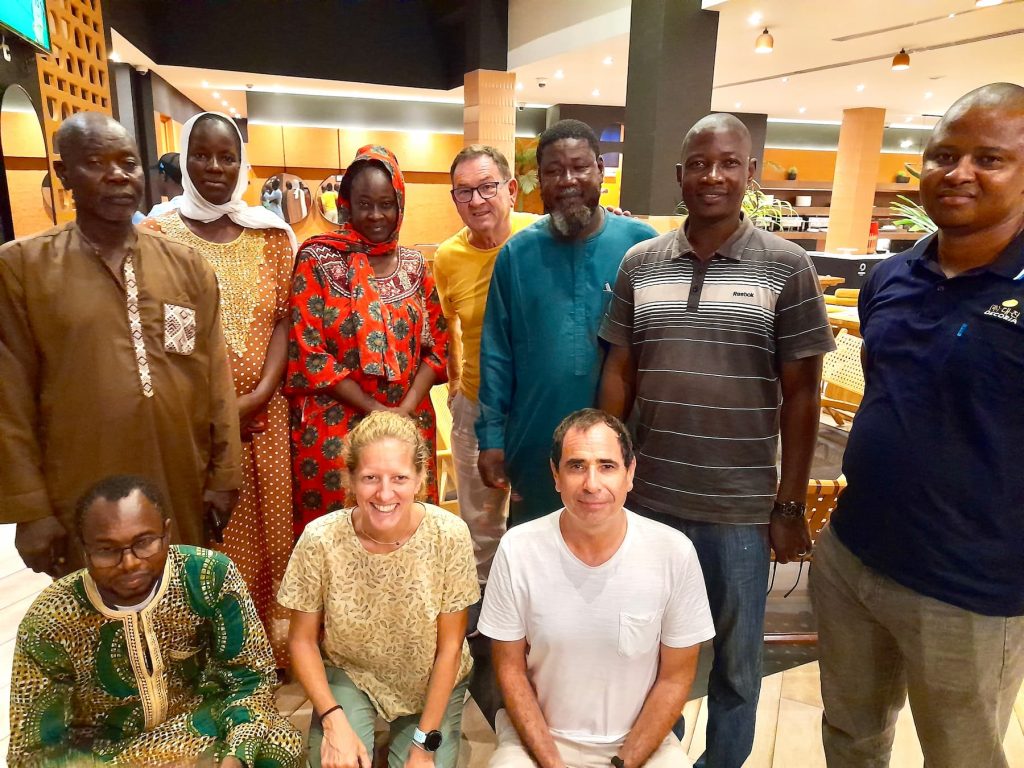
The difficult situation in Mali, exacerbated by armed conflict, insecurity and instability, has for years prevented the Foundation from visiting the project on the ground. However, despite this complicated reality, in September, the technical and management team of Eyes of the world managed to travel to Bamako, taking all necessary security measures, to spend a few days working with the local team, celebrating the great successes achieved and setting key points for further progress.
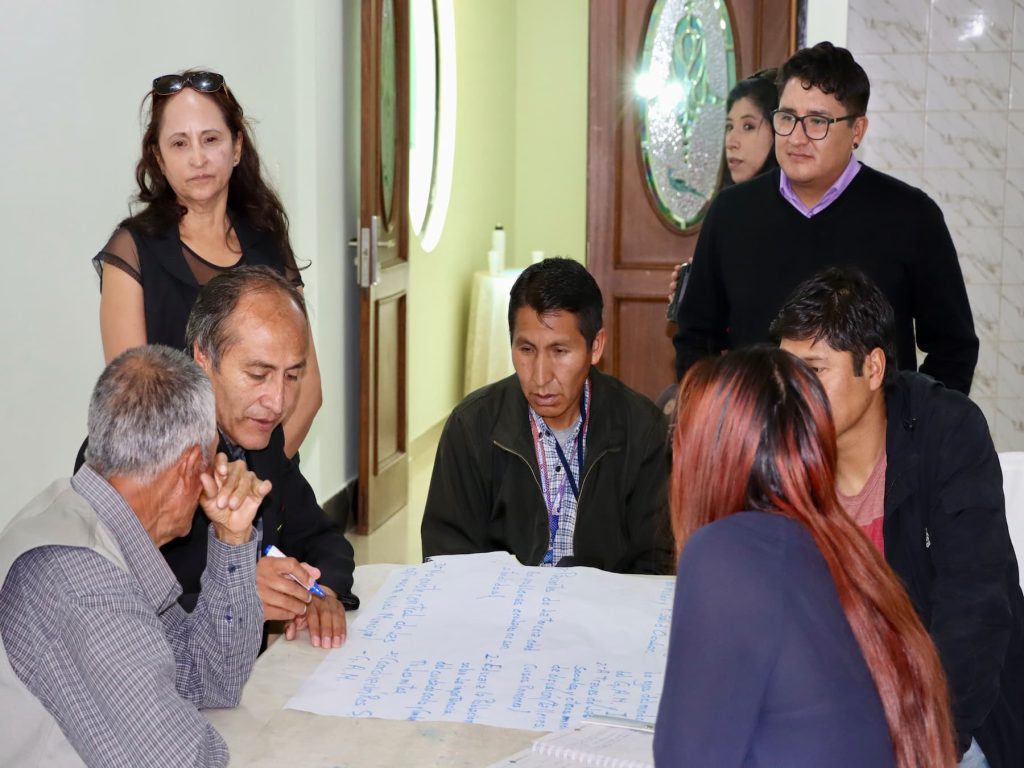
From 21 to 27 September, various aspects of the project were discussed and developed in Mali, such as the specification of the indicators for the 2026-2030 Strategic Plan that will define its roadmap and the consolidation of institutional alliances to continue working towards its main objective: improving access to eye health for the population by strengthening the healthcare network from the first to the last level of care.
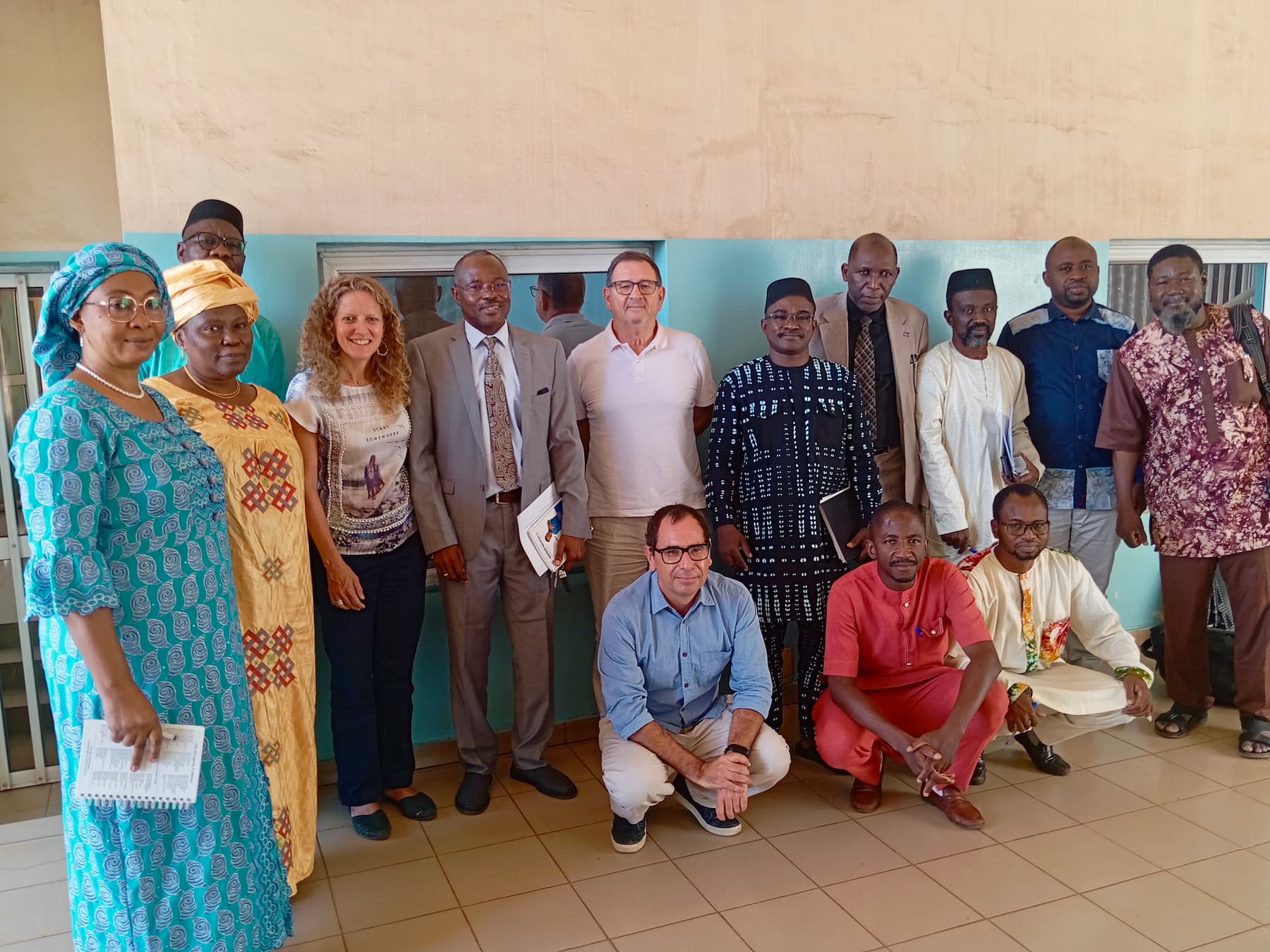
During these working sessions, meetings were held with the management of the National Eye Health Programme (PNSO), the management team of the African Institute of Tropical Ophthalmology (IOTA), and ophthalmology managers and staff from the Sominé Dolo Hospital in Mopti and various referral health centres in the region. Meetings were also held with potential funders and other international and local NGOs to explore synergies and future joint projects.
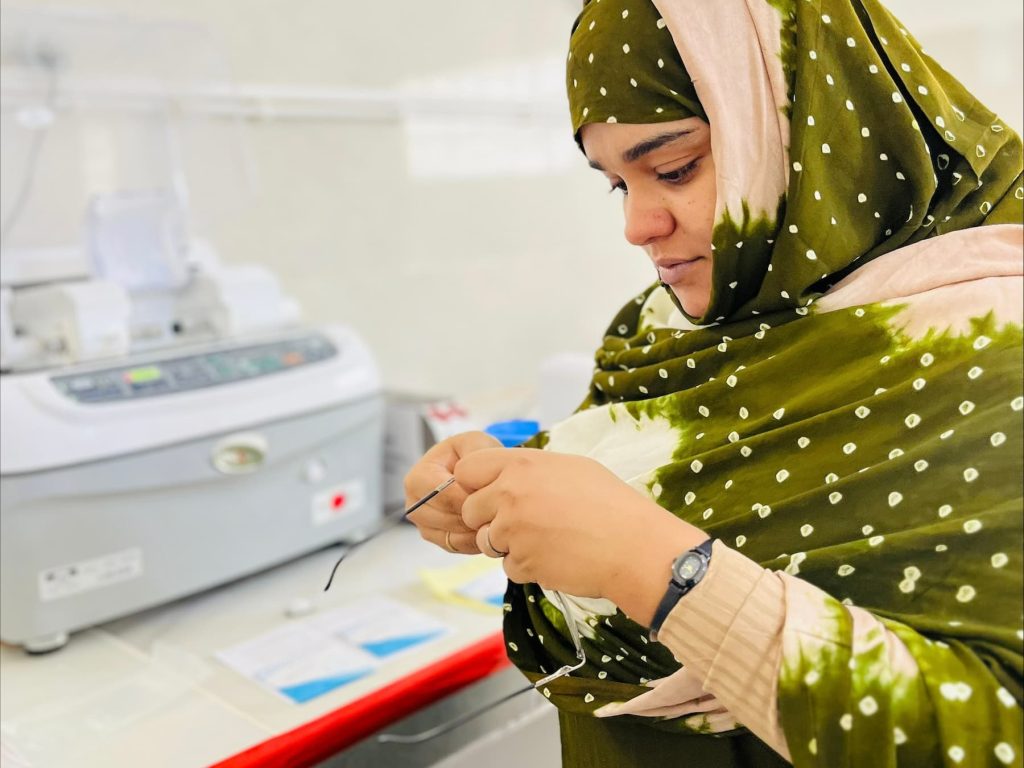
The project analysis confirms that the model developed in Mopti is already a benchmark with the potential to be replicated in other regions, reaffirming the success of community care through health agents, traditional therapists or women’s associations; referral to secondary health centres and connection with the IOTA. It was also found that microcredits for vulnerable women to develop income-generating activities facilitate their access to healthcare and the need to continue managing nutritional support. In addition, it was agreed to strengthen key aspects, giving priority to equipping hospitals and health centres, planning new clinical training, digitisation through tele-training and tele-diagnosis strategies, and the importance of data collection and impact measurement.
Eyes of the world highly valued the decisions made during these sessions and the opening of channels of collaboration with new partners and organisations to expand the programme’s impact and secure partnerships and greater funding.