
New technologies and medical improvements that allow for optimizing the quality of results in cataract interventions are always very welcome. With this objective, Eyes of the world has carried out a pilot test to validate the use of the BOOST application in its project in Mozambique. BOOST (Better Operative Outcomes...
Only a few districts in the Mozambican province of Inhambane have eye care and ophthalmological professionals, leaving populations in rural areas farthest from urban centres neglected. Mobility problems and gender inequalities hinder access for the most vulnerable people, generally women and girls, and mean that much of the population does...
In April, the Medical Assistants in Ophthalmology (AMO) from the Douentza, Djennè, Mopti, and Bankass districts of Mali mobilized for seven days to visit camps for the population displaced by internal conflicts and carry out ophthalmological consultations. More than 600 people were examined, a hundred cases of cataracts were detected...
At Eyes of the world’s board meeting, held on June 29, the activities, and economic accounts for the 2020-2021 financial year were approved, and the new Strategic Plan for the next three years was validated and ratified. It is the fourth Plan drawn up by the Foundation since its constitution...
After the inauguration of the first shelter in the wilaya of Bechar in August 2021, which is intended solely for people with ophthalmologic pathologies derived from the refugee population camps, in May, a step further was taken in facilitating their transportation. Eyes of the world has agreed with the Tindouf...
The Foundation’s Advisory Board is a plural and diverse body that, aligned with the strategy and principles of the organization, aims to contribute to the growth of the entity and the achievement of its objectives, contributing through its members, knowledge, experience, and synergies in areas and sectors complementary to the...
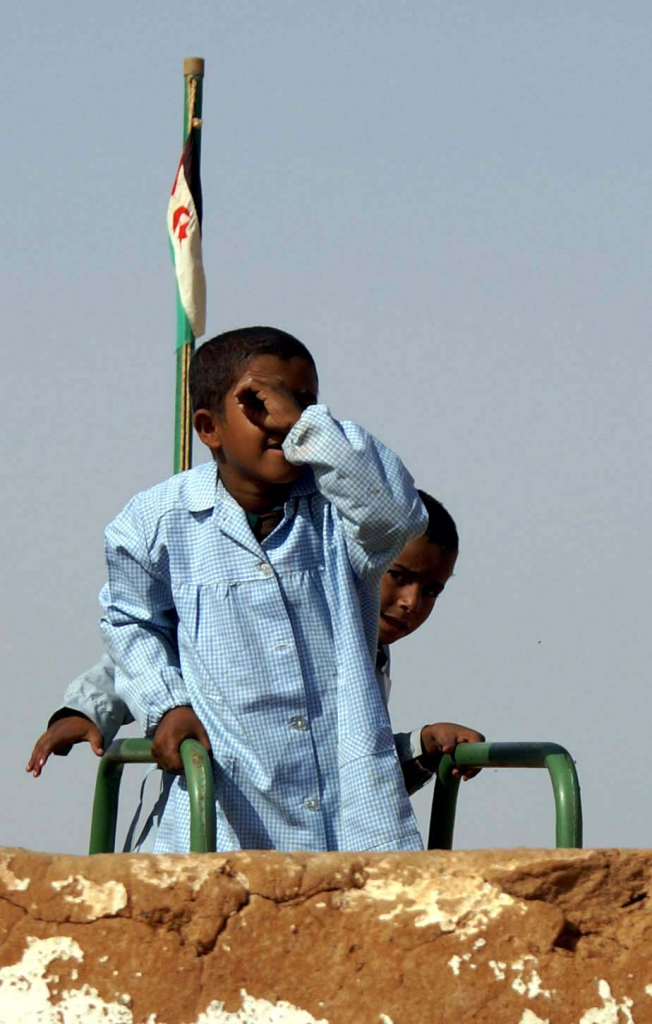
Eyes of the world has received with concern the turn in the foreign policy of the Spanish government in relation to Western Sahara and the impact that this new position may have on the health of the Sahrawi refugee population in the camps of Tindouf (Algeria), where the Foundation has...
Identifying eye and low vision problems in childhood is extremely important since, if caught in time, they can be corrected. Eyes of the world carries out such campaigns in schools for early detection of these problems, preventing them from worsening and leading to irreversible blindness. Most children are unaware they...
World Down Syndrome Day is commemorated every year on March 21. This year in Bolivia, it was celebrated with various actions coordinated by Eyes of the world to offer ophthalmological assistance and prescription lenses in La Paz, Oruro, and Tarija. To carry out this campaign, mobile ophthalmological teams, specialists, and...
In Bolivia, Eyes of the world is constantly working to continue reinforcing the gender approach in the different facets of its programme. The result is reflected in the fact that, during the last year, of the 1,316 people who received training to promote eye health, 78% (1,032) were women. To...
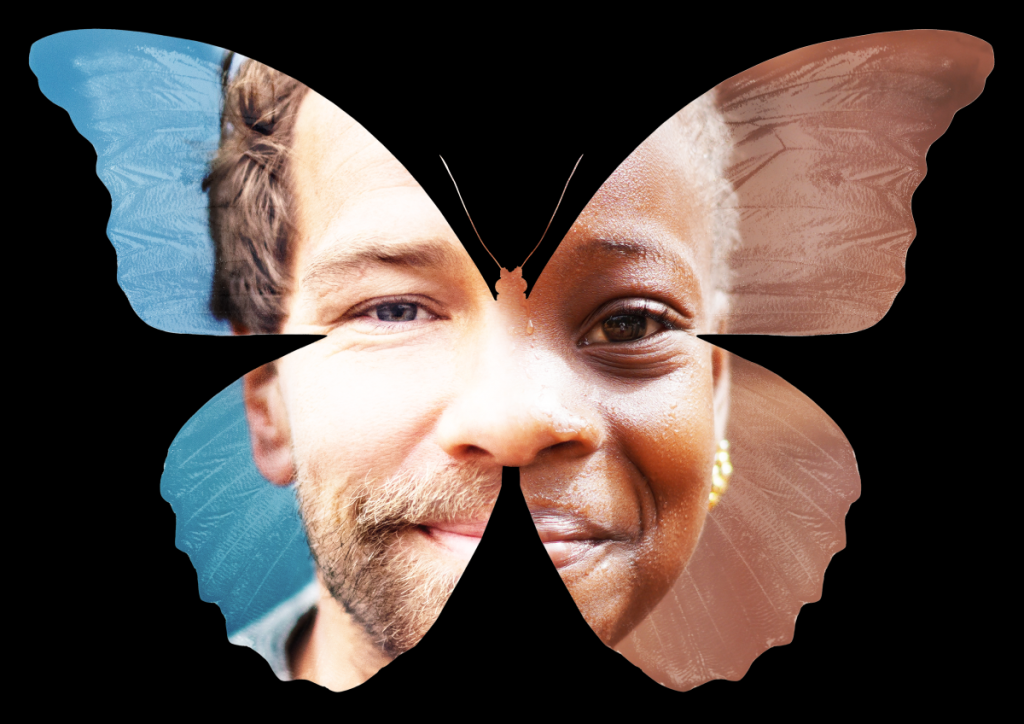
The so-called butterfly effect suggests that a small change or disturbance can have a significant effect on another area or even on another continent. “If a butterfly, with its flutter, shakes the air in Beijing today, it could change New York’s climate systems next month”, according to meteorologist James Gleick...
According to data from the Mozambique Ministry of Health, at least 80% of the population uses “traditional medicine” as an alternative to primary health care. Too often, more attention is paid to the strength of ancestral spirits than to the preventative advice of health centres. In many areas, visual impairments...